Tag: Popular Games

like a dragon infinite wealth walkthrough Complete Story...
Embarking on the sprawling journey of Ryu Ga Gotoku Studio's massive role-playing game requires a balance of tactical prowess and thorough exploration. As Ichiban Kasuga and Kazuma Kiryu navigate the unfamiliar streets of Honolulu and the familiar alleys of Japan, players face countless challenges. Having a comprehensive roadmap ensures you can experience every narrative beat and unlockable feature without feeling overwhelmed.
Mastering the Main Story Chapters
The core narrative spans multiple chapters that seamlessly alternate perspectives between the two iconic protagonists. Each segment introduces unique environmental hurdles, shifting party dynamics, and powerful boss encounters that test your combat setups. Progressing efficiently relies on keeping your gear updated and managing your team level across different regions.
While the main campaign delivers an emotional and high-stakes adventure, rushing through the chapters might leave your party underleveled for late-game challenges. Taking time to fight street adversaries and explore new neighborhoods will naturally build your dynamic attributes. This balanced approach guarantees a smoother transition during the dramatic final acts of the story.
Uncovering the Quirky World of Substories
Beyond the primary conflict, the tropical paradise of Hawaii is packed with optional missions that offer hilarious distractions and valuable rewards. These side quests flesh out the local culture while introducing memorable characters who can assist you in various ways. Completing these tasks frequently rewards your party with rare ingredients, exclusive equipment, and heavy financial boosts.
Many of these optional encounters trigger automatically as you wander through specific intersections or visit local businesses during different times of day. A few complex quests require you to maximize specific personality stats before you can unlock their final segments. Engaging with this content provides a deeper appreciation for the creative storytelling the series is famous for.
Optimizing Party Synergy and Jobs
Success in the turn-based combat engine depends heavily on how you customize the professions and skill sets of your companion roster. Transitioning characters into new roles unlocks diverse elemental abilities and tactical buffs that can exploit enemy weaknesses. Inheriting skills from previously mastered jobs allows you to create highly versatile combatants.
Experimenting with different team compositions ensures you can adapt to the shifting threats found in high-level dungeons. Balancing offensive powerhouses with dedicated support roles keeps your health pools stable during protracted engagements. Finding the ideal synergy makes conquering the toughest optional bosses a highly satisfying achievement.
Conquering Endgame Puzzles and Minigames
After completing the main narrative, a wealth of challenging post-game activities opens up for dedicated completionists. Massive underground labyrinths offer procedurally generated floors filled with elite enemies and top-tier crafting materials. Navigating these dangerous zones requires careful preparation and optimized character builds.
Additionally, fully expanding your resort island and mastering the delivery applications provides hours of engaging simulation gameplay. These massive distractions serve as excellent avenues for amassing the wealth needed to forge ultimate weapons. Achieving total completion rewards your dedication with the absolute peak of tactical freedom.

Everything You Should Know About PS5 Edge Stick...
The DualSense Edge controller stands out as Sony premium input device for the PlayStation 5, offering unprecedented customization for competitive gamers. Among its most innovative features is the modular design that allows users to swap out individual analog stick components entirely. Understanding how these hardware components function can save you time and money over the lifespan of your console hardware.
The Core Benefits of Modular Stick Design
Traditional gaming controllers often require complete replacement or complex soldering when the analog joysticks begin to fail. Sony solved this persistent frustration by creating fully self-contained stick units that can be removed with a simple mechanical release. This design choice ensures that hardware longevity is no longer tied to the wearing down of internal plastic components.
Replacing a single module is significantly more affordable than purchasing a brand new premium controller. The interchangeable nature of the left and right assemblies also means players can easily swap them to isolate specific hardware issues. Ultimately, this modular setup provides a sustainable path forward for high-intensity gamers who demand perfect precision.
Combating Stick Drift Effectively
Stick drift is an industry-wide challenge caused by wear and tear inside the potentiometer housing of analog sensors. When your on-screen character moves without user input, it usually indicates that the internal contacts have degraded over months of play. While standard controllers require professional repair, the DualSense Edge allows players to address this issue at home in seconds.
Once a new hardware unit is slid into place, the system software recognizes the fresh hardware immediately. Recent PlayStation updates have even introduced a dedicated calibration tool within the console settings menu to ensure perfect deadzone accuracy. This combined approach of hardware swapping and software calibration guarantees a seamless return to peak competitive performance.
How to Safely Replace Your Modules
The physical process of swapping a module requires no advanced technical skills or specialized tools. Users simply need to slide the release switch on the back of the controller to remove the front cover. From there, lifting the small metal lever releases the individual module from its electronic contact slot.
It is crucial to ensure the controller is powered off completely before initiating this hardware swap. Pushing the replacement unit firmly until it clicks ensures a stable data connection with the main circuit board. Reattaching the magnetic faceplate completes the installation process, allowing you to jump back into your favorite games without delay.
Future Proofing and Sensor Technology
While the standard replacement units rely on traditional potentiometer technology, the aftermarket landscape is expanding rapidly. Enthusiasts are constantly exploring alternative options, including magnetic Hall Effect designs that promise near-infinite lifespans. The modular bay of the Edge controller makes it uniquely prepared for these future hardware innovations.
Investing in a modular controller design fundamentally changes how players view hardware degradation. Instead of fearing inevitable mechanical failure, users can view their joysticks as simple consumable parts. This paradigm shift ensures your premium gaming configuration remains operational for many years to come.
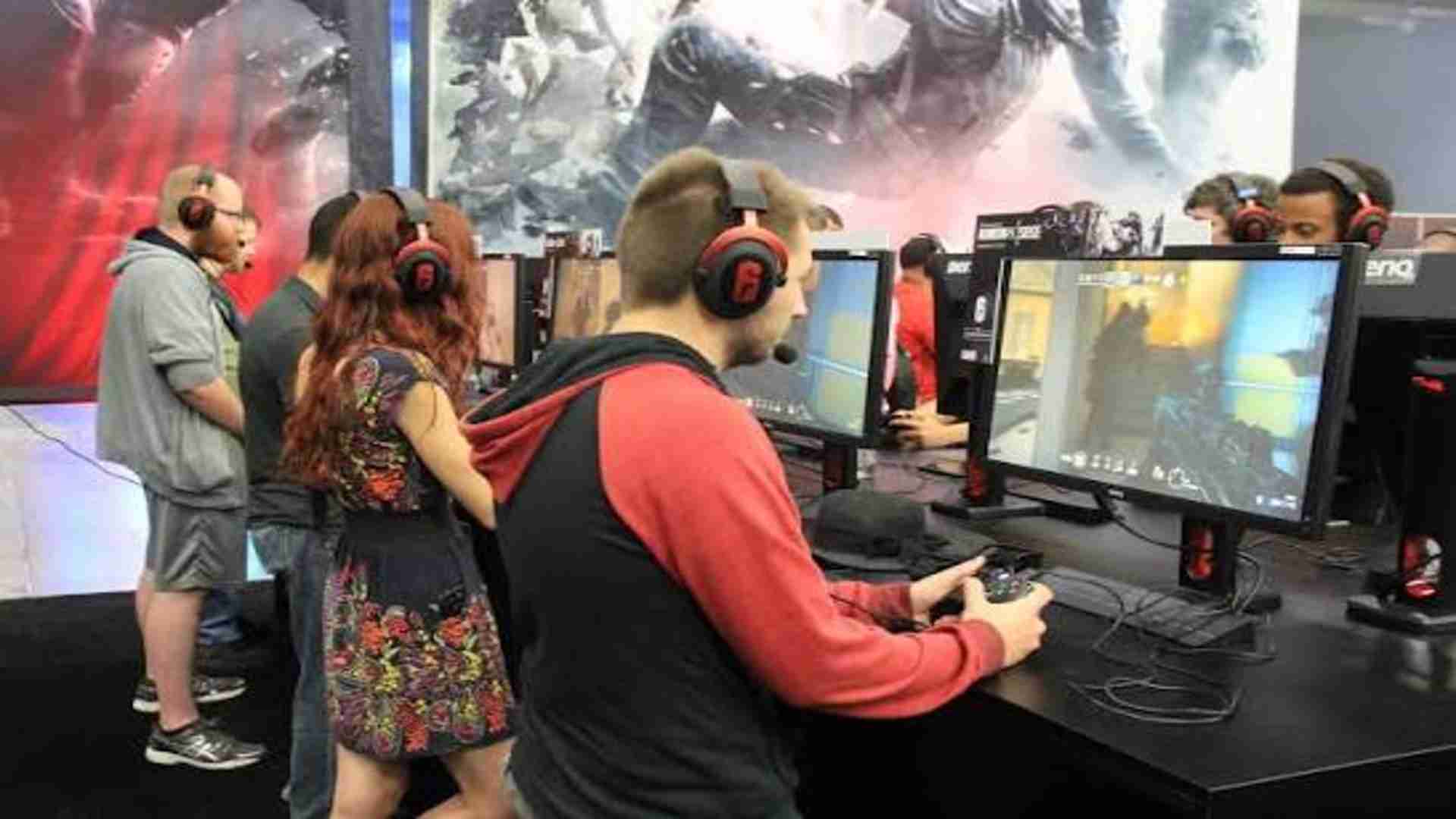
Discover Powerful Ways To Improve Team Synergy
Building a high-performing workforce requires more than simply gathering talented individuals under one roof. True organizational excellence depends on how effectively those individuals collaborate, align their goals, and leverage their collective strengths to solve complex problems. By focusing on intentional team dynamics, modern workplaces can unlock hidden potential and transform individual performance into a cohesive, unstoppable collective force.
Establishing Shared Alignment and Focus
Every successful collective effort begins with a crystal-clear understanding of the ultimate destination. When individual contributors know exactly how their everyday tasks impact the larger corporate mission, engagement increases significantly. This shared clarity prevents teams from scattering their efforts across competing projects that stall overall advancement.
Leaders must actively foster a collaborative environment where shared milestones are revisited regularly. Defining explicit responsibilities ensures that no operational gaps exist and reduces internal friction caused by ambiguous expectations. When a group operates with unified goal alignment, their collective resilience grows during shifting market conditions.
Optimizing Workplace Communication Channels
Open dialogue serves as the essential lifeblood of modern professional collaboration. Organizations frequently struggle not from a lack of talent, but from poorly managed communication systems that isolate valuable insights. Selecting the appropriate mix of interactive channels allows critical data to flow seamlessly across diverse departments.
Streamlining how updates are shared minimizes misunderstandings and prevents digital fatigue among employees. Teams that prioritize structured, transparent interactions build stronger working relationships and accelerate project timelines. Effective managers actively influence these mediums to support consistent and accessible information sharing.
Cultivating Trust Through Psychological Safety
A resilient workspace thrives when individuals feel secure enough to take creative risks and express unconventional ideas. Fostering mutual respect ensures that team members view their individual success as deeply tied to the collective outcome. When vulnerability is treated as a strength rather than a weakness, innovative problem-solving naturally flourishes.
Building this cultural foundation requires leadership to act as supportive facilitators rather than strict commanders. Recognizing the unique contributions of every quiet contributor reinforces a sense of shared accountability. Over time, this supportive environment transforms unexpected setbacks into collaborative milestones for continuous growth.
Implementing Effective Feedback Loops
Sustained operational excellence demands a systematic approach to ongoing evaluation and development. Establishing continuous, two-way communication cycles between staff and leadership ensures that workflows remain agile. Employees are much more motivated to improve when evaluations focus on future strategic actions rather than past mistakes.
Leveraging regular listening platforms allows organizations to adapt to changing dynamics before bottlenecks occur. These interactive feedback loops encourage transparency, elevate overall job satisfaction, and drive incremental performance enhancements daily. By committing to these systematic routines, any collective workforce can steadily reach new heights.

Free Fire Success Belongs To Smart Players
Achieving consistent victories in Garena Free Fire requires far more than just lightning-fast reflexes or high-end mobile devices. While mechanical precision helps in sudden gunfights, the ultimate survivors are those who rely on intellectual strategy and foresight. True mastery of this fast-paced battle royale comes down to outsmarting your opponents through calculated decisions rather than pure aggression.
Tactical Landing Choices
The journey to securing a Booyah begins long before the final circle shrinks around the remaining squads. Smart competitors analyze the aircraft path carefully to choose a landing spot that balances resource availability with initial safety. Dropping into highly congested zones often results in early eliminations due to unpredictable weapon distribution.
By selecting a quieter perimeter location, players gain the valuable time needed to gather essential armor and optimized weaponry. This deliberate approach ensures a stable foundation for the challenging matches ahead. Establishing early spatial control reduces unnecessary risks and allows teams to plan their next moves smoothly.
Resource Management Under Pressure
Surviving unpredictable ambushes requires strict discipline when organizing your limited backpack space. Average players frequently make the mistake of hoarding excessive ammunition while neglecting critical defensive utilities. Elite survivors prioritize gathering Gloo Walls, medkits, and tactical grenades to maintain versatility during intense skirmishes.
Knowing exactly when to deploy a defensive barrier can change the entire outcome of a sudden crossfire. Medical resources must also be managed carefully so that the squad can recover quickly between consecutive engagements. Balancing your inventory according to your specific role ensures long-term durability on the battlefield.
Mastering Mid-Game Rotations
Navigating the volatile terrain of the map requires constant observation of the shrinking safe zone and the minimap. Moving too late forces players into desperate sprints where they become easy targets for gatekeeping enemies. Highly successful individuals execute proactive rotations to secure advantageous high-ground positions before the zone closes.
Utilizing natural cover such as ridges, buildings, and trees shields you from unexpected angles during transitions. Sound cues and visual indicators on the map should be monitored continuously to track distant fights. This situational awareness helps you decide whether to engage a vulnerable squad or bypass the conflict entirely.
Psychological Endurance in the Final Circle
When the playing area reaches its smallest stage, tension peaks and minor errors carry massive consequences. Hesitation or panic often leads to poor positioning, causing even the most accurate shooters to falter. Maintaining a calm composure allows you to analyze enemy locations and execute synchronized pushes cleanly.
Working closely with your teammates ensures that suppressive cover fire can be provided while attackers advance. Deliberate patience frequently rewards squads that let rival teams eliminate each other first before taking the final shot. Ultimate victory belongs to those who control their emotions and make optimal choices under extreme battlefield pressure.

Winning Through Intelligent Team Decisions
Achieving sustainable success in highly competitive multiplayer online battle arenas requires far more than individual mechanical brilliance or rapid reflex responses. Real progression on the seasonal ladder relies on collective strategic depth and a shared commitment to tactical alignment. When players prioritize collaborative group choices over isolated personal highlights, they unlock a reliable path toward consistent victory.
The Core of Collaborative Strategy
Modern tactical arenas demand that all five players operate as a single cohesive unit rather than a collection of scattered individuals. Making intelligent team choices means establishing a clear objective priority long before the chaotic end-game skirmishes begin. Groups that actively communicate their current resource needs routinely outpace opponents who rely solely on raw mechanical aggression.
Furthermore, balancing spatial control across the map allows teams to secure vital neutral objectives with minimal risk. Establishing visual dominance in high-traffic bushes ensures that structural pushes can be executed with maximum safety. A unified group mindset transforms standard map movements into decisive, match-winning advantages.
Optimizing Individual Roles for Shared Success
Every specific position on the battlefield carries distinct responsibilities that directly influence the ultimate trajectory of a match. Frontline players must deliberately focus on space creation and absorbing high-cooldown enemy abilities rather than chasing personal elimination metrics. This disciplined approach provides the necessary safety window for backline damage dealers to optimize their positioning.
Meanwhile, marksmen and mages must exercise extreme patience during intense neutral map standoffs to avoid being picked off early. Coordinating ability combinations with nearby teammates ensures that high-impact spells yield the highest possible return on investment. Organizations looking to maximize performance often look to expert analysis to understand how modern competitive systems utilize integrated role execution to accelerate operational speed.
Adapting Dynamically to Evolving Scenarios
No single rigid game plan can withstand the chaotic fluidity of a live competitive ladder match. Vectoring resources dynamically toward the most successful lane helps maintain high team morale even during difficult early-game deficits. Elite squads excel at recognizing minor enemy positioning errors and punishing them with immediate, structured rotations.
Recovering from unexpected setbacks requires a calm emotional state and a complete rejection of panic-driven decision making. Teams that review their tactical options rationally can easily turn a defensive base hold into an effective counter-offensive. Ultimately, the capacity to modify structural plans on the fly separates seasonal masters from casual participants.
Building Long Term Tactical Consistency
Sustaining a positive win rate across multiple competitive seasons requires a deliberate shift toward healthy communication habits. Constructive mid-game feedback prevents repetitive structural mistakes and ensures that minor errors do not snowball into sudden defeats. Developing a shared vocabulary for quick tactical callouts drastically reduces reaction time during high-stress encounters.
Every individual match offers a valuable learning environment that extends far beyond immediate scoreboard results. By treating both victories and defeats as essential educational milestones, players build the strategic resilience necessary for long-term growth. True battlefield dominance is built incrementally through disciplined practice, calculated choice formulation, and absolute trust in the group.

Learn To Master Every Phase Of ML
Achieving consistent victories in competitive Mobile Legends matches requires a thorough understanding of how the game evolves over time. Many players find themselves stuck in specific tiers because they rely purely on fast reflexes rather than structured execution throughout the match. By shifting focus toward calculated macro movements, you can learn to control the tempo of every game from start to finish.
Dominating the Early Game Foundation
The opening minutes of a match establish the baseline for your entire team's economic scaling. During this initial stage, players must focus heavily on secure lane farming and avoiding unnecessary skirmishes that risk giving away early kills. Prioritizing small neutral objectives like the Lithowanderer can give your team a subtle resource advantage.
Laners should remain disciplined and prioritize clearing incoming minion waves before attempting to rotate to other areas of the map. Leaving a lane unprotected early allows the opposition to damage your outer turrets and compress your safe zones. Establishing solid lane control early creates the perfect platform for smooth transitions later on.
Executing Strategic Rotations in the Mid Game
As the match progresses into the mid game, the dynamics of the battlefield shift from individual survival to coordinated group execution. This phase demands active map movement to secure major map targets like the Turtle and outer enemy structures. Efficient team coordination allows your squad to secure permanent advantages that naturally overwhelm the opposition.
Understanding power spikes is crucial during this period as different heroes reach their peak effectiveness at varied times. Evaluating the current state of the map allows teams to decide whether to force aggressive clashes or play defensively. Strategic flexibility ensures that you remain relevant and impactful, regardless of how the early game unfolded.
Securing Victory in the Late Game Clashes
The late game is a high-stakes environment where a single mistake can result in a sudden defeat. High-value neutral monsters, particularly the Lord, become the absolute focus of both teams looking to break the final defensive lines. Good positioning minimizes unnecessary risks and ensures that your team maximizes its collective damage output.
Patience during these chaotic moments allows disciplined players to identify high-value targets and eliminate them quickly. Frontline heroes must create space and absorb damage, while damage dealers position themselves safely in the backline. Waiting for the enemy to misstep before committing your main abilities can secure clean victories.
Adapting Strategies to Evolving Match Conditions
Following a static strategic path in every game is a common mistake that limits a player's long-term potential. True competitive excellence comes from a player's capability to read the shifting dynamics of the battlefield and react accordingly. Making conscious adjustments to your macro approach helps you maintain high performance in every situation.
Analyzing performance data from both triumphs and setbacks provides valuable insights into personal mechanical errors. Cultivating an analytical mindset transforms random casual gameplay into structured training sessions. Consistent self-reflection is the ultimate tool for accelerating tactical improvement over time.