Bridge Games That Help Build Mental Discipline
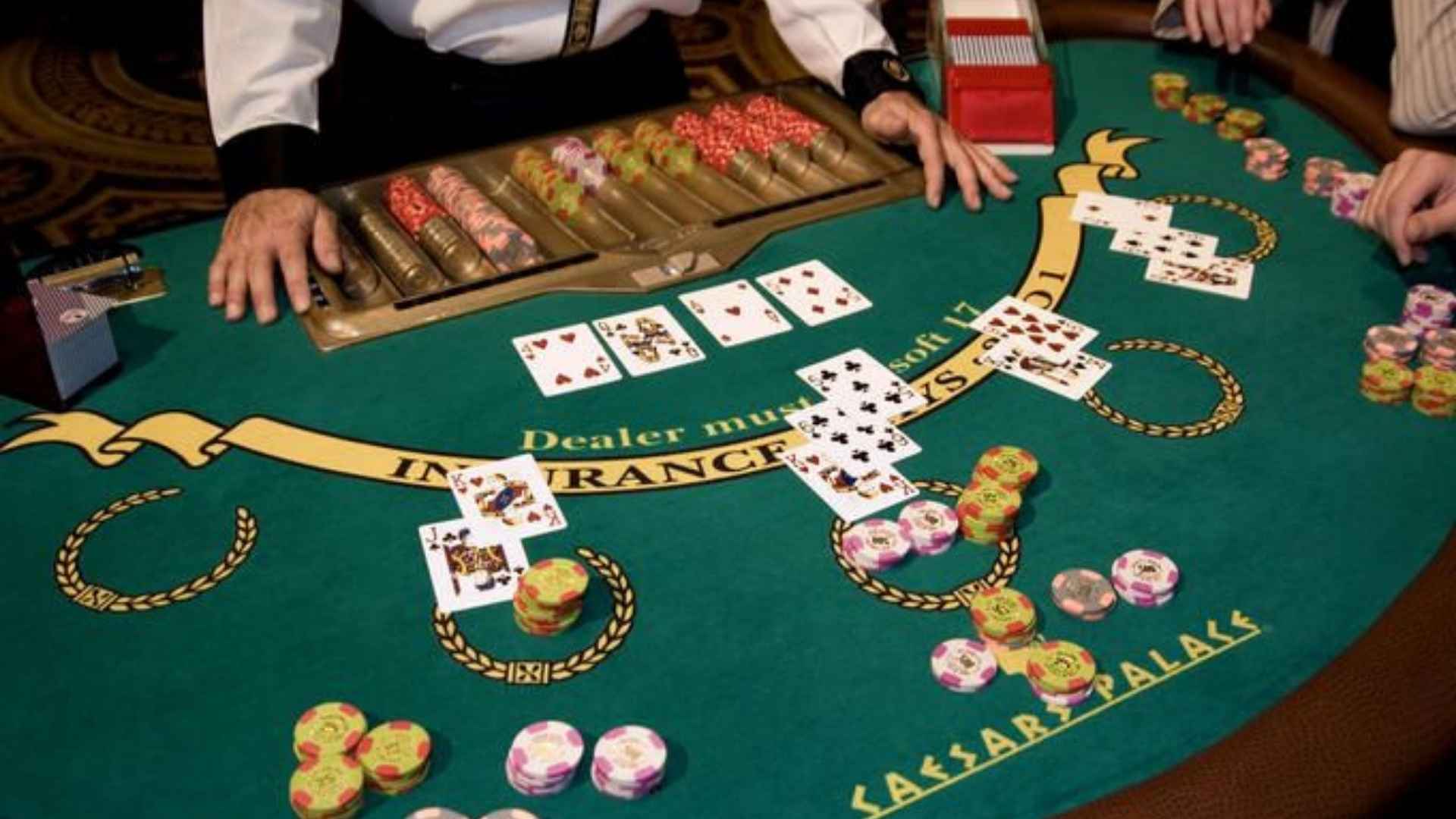
Developing strong cognitive resilience and behavioral restraint has become essential for navigating today's fast-paced digital environment. Engaging in the classic card game of contract bridge serves as an excellent mental exercise that naturally rewards measured execution over impulsive choices. By forcing participants to think multiple steps ahead, this classic mind sport effectively conditions the brain for long-term concentration and strategic patience.
The Core Architecture of Focus
Sustaining absolute attention over multiple hours is a primary requirement for anyone sitting at a competitive bridge table. Unlike casual pastimes that permit constant distractions, this game demands that players track every single card dropped during active play. Like a muscle strengthened through repetition, the capability to maintain focus deepens when supported by deliberate routines.
Building this degree of mental endurance directly improves your capacity to handle complex real-world challenges without losing clarity. Casual enthusiasts often check the M88 Msports Login platform to explore various strategic exercises that test logical reasoning. Dedicating regular time to these analytical hobbies prevents careless decision-making and fosters long-term cognitive stamina.
Emotional Regulation Under Pressure
Contract bridge places partners in high-pressure scenarios where a single miscalculation can dramatically alter the outcome of an entire match. Experiencing a sudden setback or receiving an unfavorable distribution of cards tests a player's emotional composure. Maintaining a calm perspective during these difficult moments separates experienced strategists from impulsive participants.
Practicing absolute restraint ensures that you avoid making reckless moves driven by temporary frustration or panic at the table. This disciplined approach teaches individuals to evaluate shifting variables objectively rather than reacting out of pure emotion. Over time, cultivating behavioral equilibrium under pressure translates into better management of professional and personal stress.
Strategic Planning and Adaptive Logic
Success in duplicate layouts requires converting incomplete data into a highly precise tactical roadmap before executing a single card combination. Players must carefully analyze information gathered during the initial auction phase to estimate unseen distributions. This structured framework forces your brain to exercise advanced choice skills and analytical deduction routinely.
Discipline is demonstrated when a player strictly adheres to a long-term plan even when faced with unexpected defensive maneuvers. Adapting your execution dynamically without abandoning your foundational strategy requires cognitive flexibility and intellectual patience. Through regular exposure to these complex scenarios, individuals cultivate robust problem-solving frameworks that remain valuable across a lifetime.
Partnership Integration and Coded Trust
Bridge stands out among traditional card games because it fundamentally relies on seamless collaborative alignment between two distinct minds. Partners must communicate their hand strength using specialized bidding systems without exchanging any illegal direct signals. Achieving tournament success requires both individuals to suppress solitary ego in favor of a completely unified strategy.
Trusting your partner's calculated signals builds mutual reliance and strengthens interpersonal communication skills under highly competitive conditions. Recognizing shared tactical goals minimizes errors and maximizes the overall performance of the dual alliance. This deep collaborative process emphasizes that mental discipline is achieved through shared accountability and structured teamwork.